How to Create a Realistic and Photorealistic Render?
Introduction: One of the most important skills of any interior designer is the ability to present realistic and photorealistic renders. A high-quality render allows the client to better envision the final space and makes decision-making easier. In this article, the steps and…
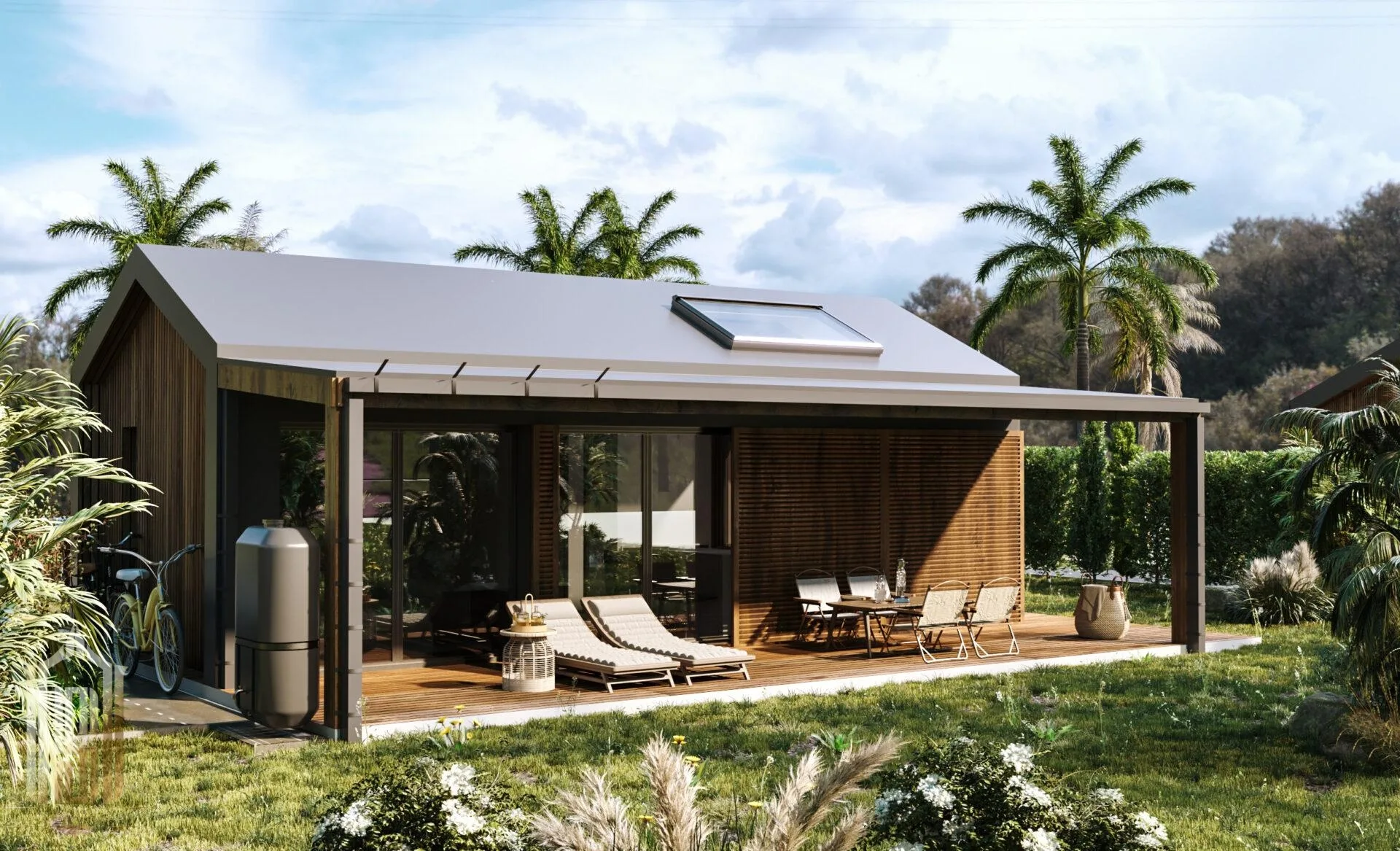
Introduction
One of the most important skills of any interior designer is presenting realistic, photorealistic renders. A high-quality render helps the client picture the final space and makes decisions easier. In this article we go through the steps and key points of creating a photorealistic render.
1. Accurate modelling and complete detail
The first step is correct, precise modelling. Every detail, from furniture and openings to materials and accessories, should be simulated realistically in the software. Accurate dimensions and proportions make the render look more natural.
2. Choosing realistic materials
Materials play the main role in creating a sense of reality. Textures, light reflections, the transparency of glass and the grain of wood should all resemble the real world. Using professional material libraries or building your own materials is recommended.
3. Natural, intelligent lighting
Correct lighting is 50% of a render’s success. Daylight from windows combined with ambient light and lamps gives the space depth and realism. Software such as 3ds Max or Unreal Engine offers advanced lighting tools.
4. A good camera angle
The camera angle should be attractive and natural. A suitable perspective at the viewer’s eye level makes the space feel more real and shows the details better.
5. Render settings and post-production
Render settings cover shadow quality, reflections, anti-aliasing and resolution. Post-production in software such as Photoshop or After Effects can enhance brightness, contrast and colour and make the final render more photorealistic.
Conclusion
To create a realistic, photorealistic render, precise modelling, accurate materials, appropriate lighting and professional render settings all matter. Following these steps, you can create a space that is not only beautiful but also feels real to the viewer.