What Is Architecture? Who Is an Architect?
What is architecture? In fact, the first question that may arise for us is: "What is architecture and what are the architectural styles?" and why should we consult an architect to build a house. To answer this…
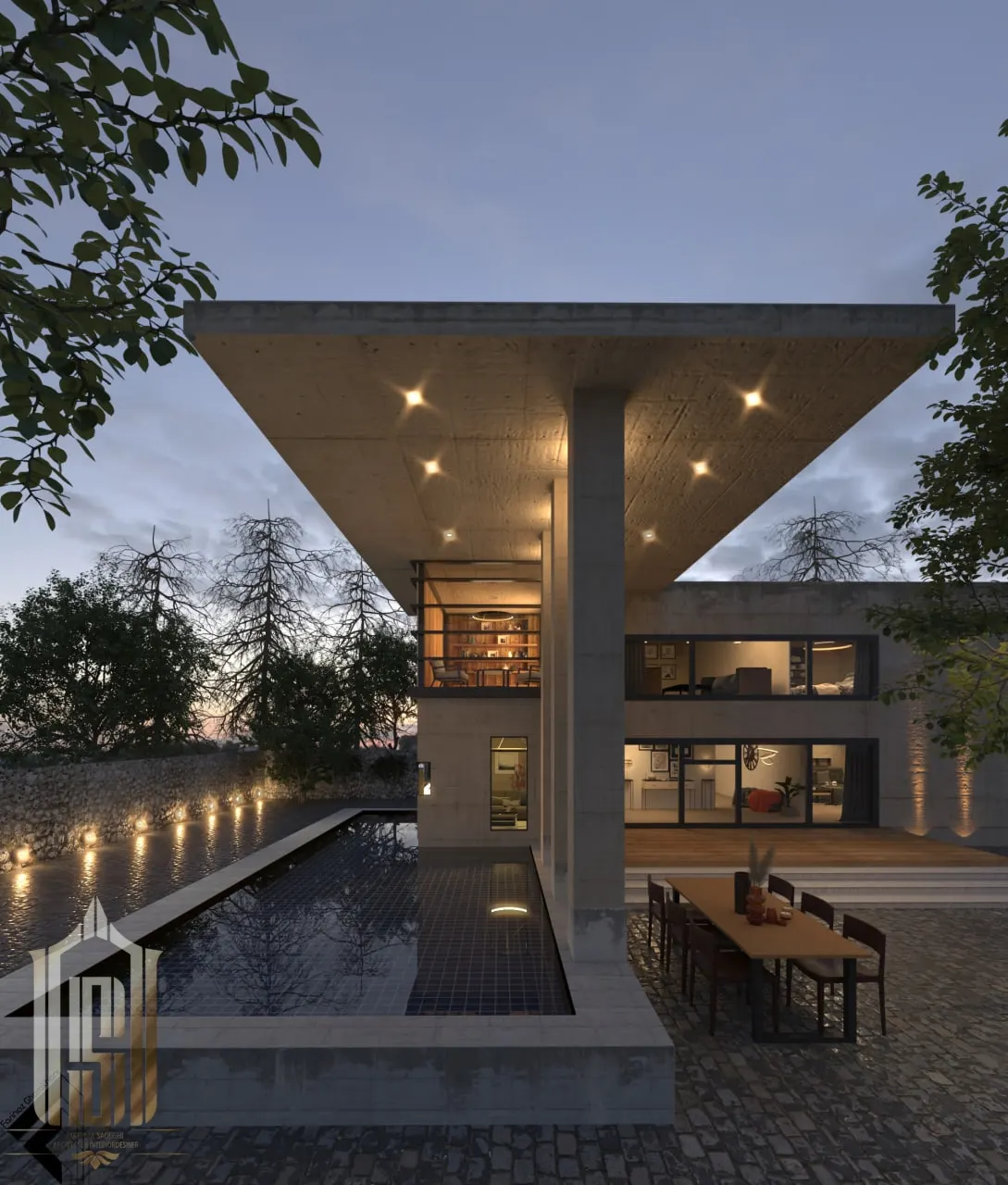
What is architecture? The first question that may come to mind is “what is architecture, and what are the architectural styles?”, and why we should go to an architect to build a house. To answer these questions, we start with some definitions of architecture.
Architecture is a discipline with a long history. It has changed a great deal over time, and because it is constantly evolving, its definitions have changed too.
Literally, Persian has several words for architecture, such as ābādgari, rāzigari, vālādgar, bānigar and mehrāz; mehrāz is what we would today call an architect.
Architect is the Latin-derived word for the same role and has the same meaning as the Persian mehrāz. In Arabic the word comes from the root ʿ-m-r, meaning building, settlement and development (ʿumrān), and the word for “one who builds up” carries the same meaning as mehrāz.
Architecture defined more simply
We can say it is the science and art of designing buildings with quality, beauty and sound geometry, suited to their function and to people and their daily activities; so psychologically (mood, emotions and so on) it must also suit the needs of its users.
Architecture expresses these through colour, lighting and materials.
What matters, then, includes a sound structure and simple planning as well as a range of artistic qualities: durable, pleasing materials, agreeable colours, ornament and refinement, dynamism, good proportions, scale and more.
In fact, defining architecture became important when the boundaries of architectural knowledge, insight and architectural education were taken up academically and specialisation emerged in human societies: structure was separated from architecture, and building-services engineers and other specialists began to work in their own fields.
Here are some definitions given by great and influential figures.
The famous Roman architect Marcus Vitruvius Pollio saw architecture as having three qualities, firmness, commodity and delight, which he called the three sides of the architectural triangle, and defined it as follows:
architecture arises from order, arrangement, proportion, propriety, harmony, symmetry, correlation and economy.
Or, in another definition: architecture is one of the broadest branches of art and technology and is greatly valued in today’s world.
Victor Hugo: architecture embraces humanity’s great ideas; not only the symbol of every religion, but the thought of every person is a page of this vast book.
Le Corbusier: architecture is the masterly play of volumes brought together in light and shadow. Elsewhere he says that architecture is what moves his heart. The first definition points to its outward, physical aspects; the second stresses the emotion that being inside an architectural space produces through its aesthetic qualities.
Mies van der Rohe: architecture is nothing but the will of an epoch longing for living, changing, new space. It is true that architecture rests on hard facts, but its essential field is the mastery of meaning. Architecture is the will of the age translated into space.
Alvar Aalto: architecture is not a science; it is a vast process of synthesis that combines thousands of specific human functions and remains architecture. Its purpose is to bring the material world into harmony with human life.
Jacques Derrida: architecture goes hand in hand with philosophy and is an effort to establish its bond with philosophy and make it imaginable.
Klotz sees this art as ecology and says we must build all new buildings largely in relation to their surroundings.
Eisenman: our architecture today should reflect our mental and living conditions, and what is neglected today is a part of our lives.
In his book on the realms of private and collective life, towards a humane architecture, the Iranian researcher and urban planner Manouchehr Mazini examines the factors that create the foundations of architecture, and groups the factors that shape architecture into six categories.